
Technical
NetScaler Vulnerability CVE-2026-8452: What It Means for ADC Security
Security vulnerabilities in Internet-facing infrastructure call for a clear operational response: determine whether your environment is exposed and, if it is, apply the vendor's remediation. The recent NetScaler vulnerability CVE-2026-8452 is no exception. NetScaler describes it as a memory overflow affecting ADC and Gateway appliances under specific Gateway or AAA configurations. Subsequent independent security research…
Enterprise SaaS Load Balancer: When Does a Managed Service Make Sense?
Choosing a load balancer is not only a technical decision. It is also a decision about how much infrastructure your organization wants to deploy, maintain and operate. Some companies need complete control over the underlying application delivery infrastructure. They may prefer physical appliances, virtual appliances, bare-metal deployments or software running inside their own cloud environment.…
How to Load Balance Moodle for High Availability: Architecture, Sessions, and Security
A Moodle deployment that performs flawlessly with 20,000 users can easily collapse under the load of 100,000 users on exam day or when course registration opens. The issue isn't Moodle itself. It's that, in a single-server deployment, everything (the web application, user sessions, database, and uploaded files) runs on the same machine. Once that server…
L4 vs L7 Load Balancing: Key Differences and When to Use Each
Modern applications generate more traffic, serve more users, and depend on more distributed infrastructure than ever before. Whether you are running a SaaS platform, an e-commerce website, a banking application, or a public API, ensuring traffic reaches the right resources efficiently is critical for performance, availability, and security. This is where load balancing plays a…
Understanding DDoS Attacks: Real-Life Examples and How to Stop Them
Some attacks steal data. Some attacks spy on users. And some attacks have only one goal: to make your service unavailable. DDoS attacks fall into the latter category, and they are more common and more accessible to attackers than many organizations realize. They don't require exploiting a specific vulnerability or gaining access to internal systems.…
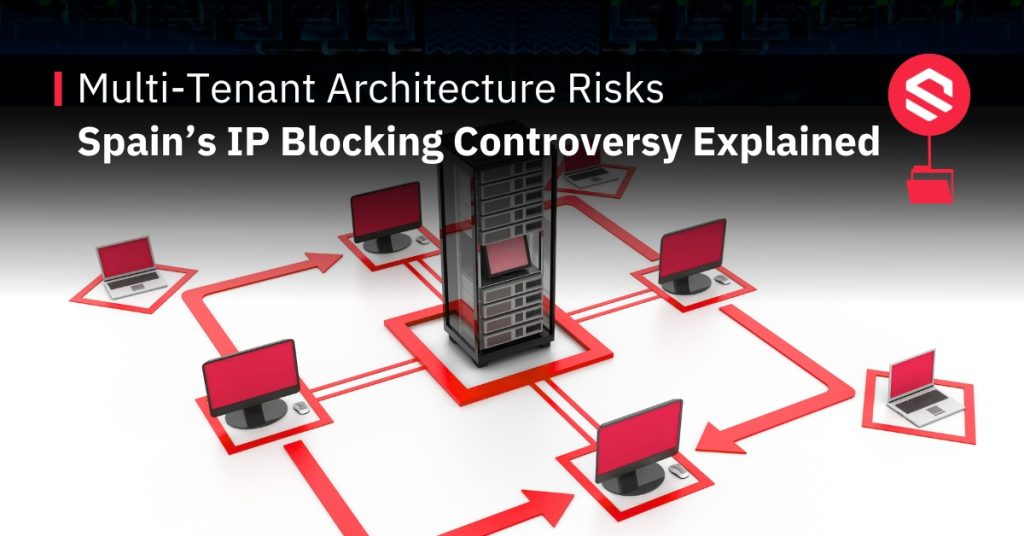
Multi-Tenant Architecture Risks: Spain’s IP Blocking Controversy Explained
In early 2025, internet users across Spain began experiencing something unexpected: legitimate websites going dark, developer tools becoming unreachable, and businesses losing access to their own online services. GitHub, GitLab, Docker registries, corporate websites, and e-commerce platforms all affected not by a cyberattack, not by a provider outage, but by a court-ordered IP block targeting…
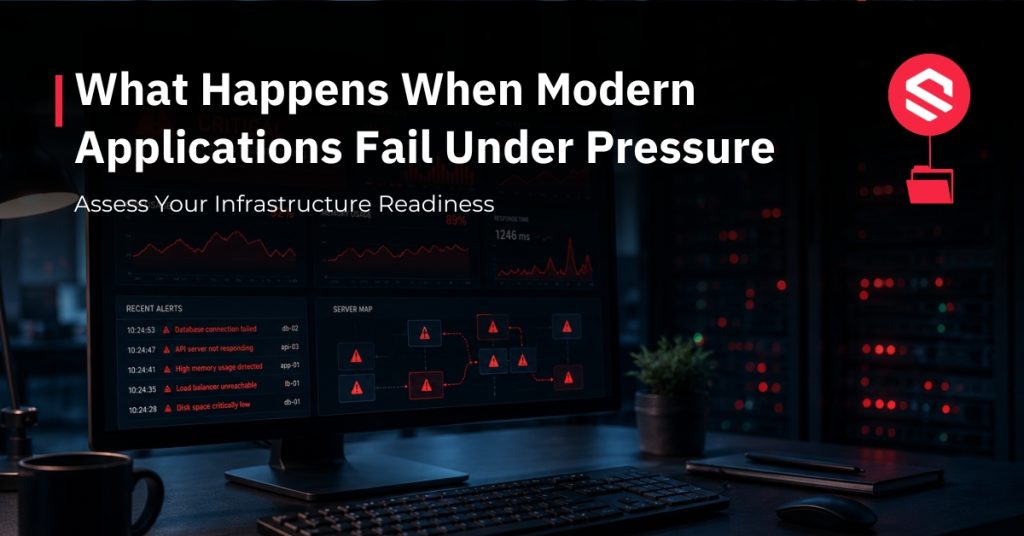
What Happens When Modern Applications Fail Under Pressure
Together with Bluella, we've hosted a live technical webinar around a problem that many infrastructure and cybersecurity teams eventually face: What actually happens when applications start failing under pressure? Not in theory. Not in a slide deck. But in real environments, with real traffic, real attacks, and real operational stress. From the beginning, the idea…
OWASP CRS and Fail Fast: Improving Attack Detection in WAFs and Reverse Proxies
In web application security, detecting attacks as early as possible is critical. Every millisecond that a malicious request travels through an infrastructure increases backend exposure and consumes unnecessary resources. Web Application Firewalls (WAFs) based on the OWASP Core Rule Set (CRS) have become one of the most widely used mechanisms to protect applications against attacks…
When Open Source Infrastructure Stops Being Easy to Operate
Open Source infrastructure is often a deliberate and well-reasoned choice. It offers transparency, control and a level of flexibility that fits well with how many engineering teams like to build and operate systems. Deploying an open source load balancer or reverse proxy is usually a conscious decision, backed by solid documentation, community knowledge and proven…
